
Buyer Intent Keywords: What You Need to Know About Them to Be Successful

WONDERING WHAT ARE BUYER INTENT KEYWORDS?
You’re in the right place. I’ve got everything you need to know about succeeding in affiliate marketing with buyer intent keywords in this article. How am I so sure?
I have been able to grow my blogging business and travel site earnings from $8,490 in all of 2021, to multiple six figures in 2022 and 2023. In fact, I made $333,619 in 2023 from affiliate marketing alone 🤑
All of this success has been a mix of various strategies. However, one of the major boosts came from understanding keyword research, especially the buyer’s intent behind each keyword.

Ready to level up and learn how to find the keywords that will actually make you money and grow your passive income? Then you need to sign up for my How to Find Affiliate Keywords Course!
Here’s the thing you need to know about finding buyer intent keywords that convert: This isn’t exclusive knowledge. If I can tap into it, so can you. The key is learning the right approach and consistently applying it.
If you’re ready to (finally) make passive income with affiliate marketing, then you need to start with the fundamentals — understanding user intent and finding keywords you can rank for.
In this article, we’re going to dive into everything you need to know about buyer intent keywords so you can start earning with affiliate marketing.
Buyer Intent Keyword
What is the Buyer’s Journey?
The buyer’s journey is a path that consumers take from initial interest to making a purchase. It’s a process that begins when a consumer becomes aware of a product or service to the final step of purchasing.
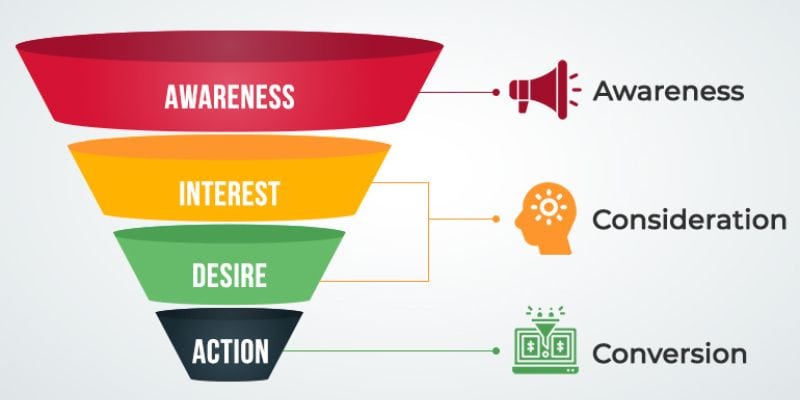
Learning about the buyer’s journey is an important step in understanding keyword search intent, and tailoring your affiliate marketing strategy to it.
The buyer’s journey, which can also be called the buyer’s funnel, customer journey funnel, customer funnel, etc., is made up of the following phases:
- Awareness Phase: The buyer realizes they have a problem or need.
- Consideration Phase: The buyer defines their problem and researches options to solve it.
- Action Phase: The buyer chooses a solution, and makes a purchase.
By mapping out your target audience’s journey and creating content that resonates with them at each stage, you’ll find the right audience at the right time.
Understanding the buyer’s journey will increase your conversion rates and your affiliate marketing income.
✈️ The Traveler’s Buyer Journey
The traveler’s buyer journey is a little bit different than the average buyer’s journey. It is made up of the following phases:
- Dreaming Phase: The traveler starts thinking about a potential trip.
- Planning Phase: The traveler researches destinations, activities, and accommodations.
- Booking Phase: The traveler finalizes their plans and makes reservations. (Note: This is the equivalent of the Action Phase mentioned above.)
- Experiencing Phase: The traveler goes on their trip and partakes in planned activities.
- Sharing Phase: After the trip, the traveler shares their experiences, reviews, and recommendations with others, often through social media, blogs, or word of mouth.
Now that you understand the buying journey, let’s tackle other affiliate marketing FAQs, like What is keyword intent SEO?
Buyer Intent Keyword
What are buyer intent keywords?
Buyer intent keywords refer to the search phrases individuals use when they’re thinking about making a purchase. The strength of their intent to buy can differ based on their position in the buyer’s journey.

🧐 What are intent keywords when it comes to buying?
Let’s say that you have a niche travel blog about traveling to Oaxaca. A potential reader might search the following terms along the path to conversion:
- Dreaming Phase: “best places to visit in Oaxaca Mexico”
- Planning Phase: “Oaxaca travel itinerary” or “top activities in Oaxaca”
- Booking Phase: “affordable hotels in Oaxaca” or “Oaxaca flight deals”
But which of those buyer intent keyword examples will get you the most conversions? Let’s take a look at the types of buyer keywords and how to pick a winner 🤑
Buyer Intent Keyword
4 Types of Buyer Keywords on Google
Below is a buyer intent keywords list and explanations of some popular SEO keyword intent types of which you should be aware.
1. Informational Keywords

Informational keywords are similar to question keywords. These search terms and queries usually begin with “how to,” “best of” or “what is.”
Since this buyer keyword list is the first stop for many customers, the keywords used at this stage generate high search volumes.
Users searching for informational keywords, including how to buy keywords, are at the beginning of their buying journey.
Buyer keywords lists with low intent will also translate to low conversion rates, as users are not yet ready to buy. This is why they’re mostly known as low-intent keywords.
Buyer Intent Keyword
2. Navigational Keywords
Navigational keywords are for users who already have a clear destination in mind. They are NOT buyer intent keywords, and you will not make an affiliate commission from them.
These searches are more specific than informational keywords, as the user wants to go directly to a brand or a location. An example of this might be “Chase Bank login,” as this person just want to do some online banking.
Whether it’s researching a specific product or visiting a certain store, navigational keywords allow individuals to efficiently get to where they want to go.
Buyer Intent Keyword
3. Commercial Keywords
Keyword commercial intent is focused on guiding a customer toward making a purchase. Users here are likely searching for product comparisons, reviews, and listicles to help them make a decision on their pain points.
Customers here are further along in the sales funnel but not fully ready to make a purchase — but that also doesn’t mean that they won’t.
Providing valuable content for users searching for commercial intent keywords is a great way to build trust with your audience.
Some commercial intent keyword tools include Semrush, Keysearch, and Ahrefs. They can function as a useful buyer keyword generator for commercial keywords lists.
🤑 use my Keysearch discount & try it for yourself
You can purchase your Keysearch subscription here, and use my discount code KSDISC to get 20% OFF. With the discount, it’s less than $14 USD per month — but worth 10 times that much!
Buyer Intent Keyword
4. Transactional Keywords – BEST Conversions

⚠️ These are the keywords that you need to focus on if you are looking to increase your conversion rates on your website.
Transactional keywords are a powerful tool for any business looking to target individuals who are ready to buy.
In the travel niche, these are the keywords that people search for when they have their credit card in hand.
👩🏻💻 Searching for Transactional Keywords
For travel bloggers, tapping into what readers are ready to spend money on can be a game changer.
One approach is to pinpoint terms that pair your destination or theme with high-intent phrases. These are terms that don’t just seek information but signal readiness to book or buy.
Say you’re focused on Paris. Instead of general searches like “Things to do in Paris”, think specific: “Eiffel Tower night tours” or “French wine tasting classes in Paris.”
Readers using such specific terms aren’t just window shopping; they have a clear activity in mind and are likely on the edge of booking. They’re seeking the right recommendation or deal, and with the right content, that could come from you.
TRAVEL-RELATED Transactional keywords list:
- best boutique hotels in Toronto
- wine tours in Napa Valley
- Amsterdam canal cruises
- best backpack for a European backpacking trip
- Note: Some things like “Paris packing” list might lead to affiliate sales, but the other examples will work better.
Buyer Intent Keyword
How To Find Buyer Intent Keywords

Before diving into keyword research, outline the goal of your article.
When targeting buyer intent, not every piece you write should aim for transactional keywords. Some might educate, inspire, or entertain.
To find buyer intent keywords, or purchase intent keywords, start by using keyword research tools like KeySearch or Google Keyword Planner, to identify terms that people are using to search for information.
When scouting for keywords, aim for a sweet spot: High search volume, but low competition.
This means many people are searching for the term, but not many sites are catering to that demand, giving you a better shot at ranking higher.
You can also dive into Google search results related to your niche or specific keyword. Looking at these results, especially what your competitors are focusing on, can reveal low-competition key phrases you might have missed.
🤑 Monetizing Keywords
I make tens of thousands of dollars each month through affiliate marketing by understanding the buyer intent data and keywords.
If you’re not using the right keyword buying words and phrases, you won’t see the conversions or income you’re looking for. So, it’s important to understand the differences between high-intent and low-intent keywords.
If you’re ready to start finding buyers keywords on Google and connect with an audience ready to buy, my How to Find Affiliate Keywords class will teach you how to find keywords that you can rank for and that will start making you money.
Buyer Intent Keyword
Create Content That Gets Customers to Convert

When it comes to content marketing and creation that gets customers to convert, there’s one important thing you need to keep in mind: user intent.
Knowing what your user is actually looking for when they search a particular keyword is key to a successful SEO strategy.
For example, a customer searching for the term “Roman Colosseum tour” is pretty serious about taking a tour of the Roman Colosseum.
Don’t waste their time (or yours) by going on about the Colosseum’s history. Instead, give them what they came for a great tour option and a clear call to action to buy.
Keeping user intent in mind is one of the most important steps in creating content that converts.
Buyer Intent Keyword: Frequently Asked Questions
What is buyer intent marketing?
Buyer intent marketing is a strategic approach that involves using a customer’s intentions as a guiding point for marketing efforts.
These efforts will guide a lead and turn leads into customers as you create content that resonates with them and eventually convinces them to take action.
You can also use free buyer keyword tools like Google’s search bar autofill options, People Also Ask, Google Search Console, and Google Keyword Planner.
Buyer Intent Keyword
What is an example of an intent keyword?
In travel blogging, an example of an intent keyword with transactional intent would be “best Bali beach resorts.” This indicates the searcher’s aim to make a booking.

For informational intent, “top attractions in Bali” would fit, as it shows a desire for knowledge.
“Bali resort reviews” demonstrates commercial investigation intent, signaling the searcher is assessing options for a future booking.
As you can see, each keyword reflects a different purpose behind the search. You need to make content for people who want to buy things if you want to see consistent affiliate marketing sales and passive income.
Buyer Intent Keyword
What is an example of a commercial intent keyword?
An example of a commercial intent keyword would be “best luxury resorts in Maldives comparison.” This suggests the searcher is evaluating options, and considering a booking or purchase soon.
A non-travel blogging example of a commercial intent keyword would be “top DSLR camera reviews.”
This indicates the searcher is comparing various DSLR camera options, with the intention of possibly purchasing one in the near future.
Buyer Intent Keyword
What is the difference between high intent and low intent keywords?
High intent and low intent keywords differ in the level of commitment or readiness they signal from the searcher.
High-intent keywords indicate a strong likelihood or readiness to take a specific action, especially one that leads to a conversion, such as making a purchase.
Low-intent keywords, on the other hand, suggest the searcher is in the early stages of the decision-making process, often seeking information or exploring options without an immediate intention to buy.
In essence, high intent keywords show a direct desire to act, while low intent keywords lean more towards information gathering or general interest.
Buyer Intent Keyword
What are the 3 key buyer purchase stages?
The three key buyer purchase stages are awareness, consideration, and decision. Keeping these three stages in mind will help you create a successful and converting sales funnel.
Buyer Intent Keyword
Final Thoughts: Buyer Intent Keywords for Affiliate Marketing

Whether you’re using paid search or not, buyer intent keywords are a powerful tool for any affiliate marketer looking to increase sales and commissions on their page.
By understanding and strategically using buyer intent keywords, and including the service name, you’ll be able to capture your target audience’s attention with offers that resonate with them, and convert them into customers.
Without understanding and doing user intent keyword research, including using buyer intent keyword free tools, you miss out on a huge ready-to-buy audience that could be making you tons of money with affiliate marketing.
How great would it be to finally know which keywords will actually make you money 🤑 — and how to find them fast? My How to Find Affiliate Keywords Course will show you everything I do to find mine.